
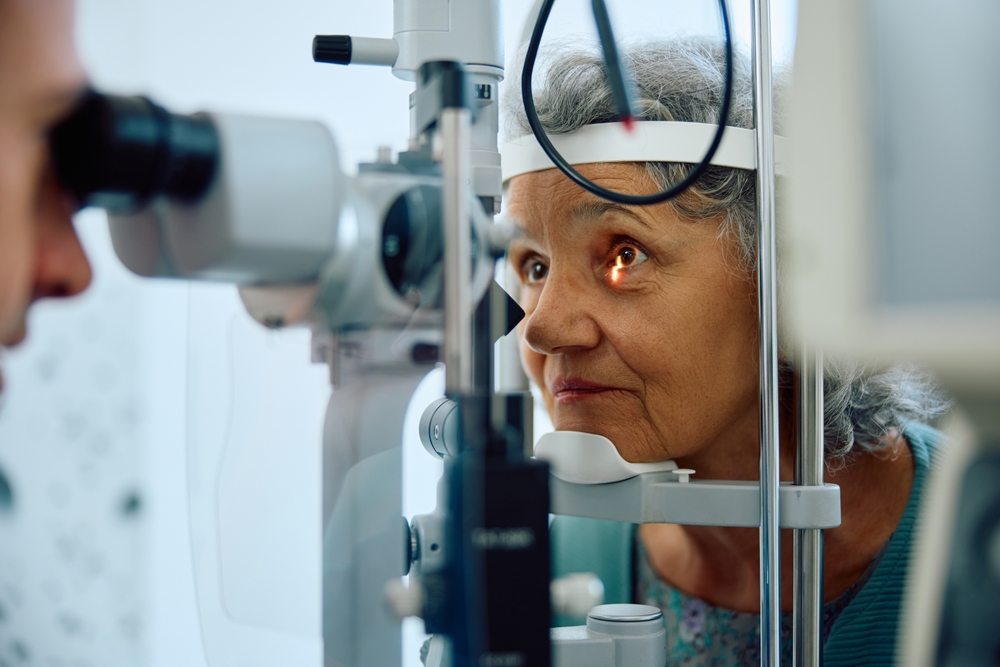
Glaucoma diagnosis cannot rely on a single eye test, as the disease develops slowly and affects the eye in different ways. With every step taken, glaucoma continues to be one of the world’s most common causes of blindness. Many people believe that one eye exam can determine whether or not they have the disease. The truth is, glaucoma is multifaceted, and the condition takes time to develop. Doctors need to conduct multiple tests over a period of time to develop an accurate diagnosis.
Depending on a single test result creates the risk of overlooking early warning signs or creating the risk of a false alarm. This is why expert eye doctors for glaucoma use multiple types of tests before implementing a care plan.
An explanation of why multiple tests are crucial for the detection and treatment of glaucoma treatment can be found below.
How Glaucoma Affects the Eyes
The optic nerve is the part that is damaged. It is the part that connects the eye to the brain. This damage is attributed to the increased pressure inside the eye, also referred to as intraocular pressure.
On the contrary, not every person with high pressure has glaucoma. Conversely, some individuals end up with damage to the optic nerve despite having normal pressure.
Such differences are the reason why one test is not sufficient to provide a diagnosis. Eye specialists need to consider intraocular pressure, nerve damage, and vision loss together.
Because of this reason, most of the reputed eye doctors for glaucoma take as many tests as possible, instead of relying on one single reading.
Why Eye Pressure Tests Alone Are Not Enough for Glaucoma Diagnosis
One of the most basic tests done at an eye clinic is a measurement of the eye’s pressure using a tonometer to perform a test called tonometry. While this is a critical test for assessing your overall eye health, it does not provide the full picture.
Eye pressure can fluctuate, sometimes very rapidly, throughout a single day. One measurement taken is not the determining factor in whether your eye pressure is in a safe range.
World Health Organization data show that many patients with glaucoma show damage to the optic nerve, regardless of whether the eye pressure is normal.
Normal-tension glaucoma is just one of the many reasons that show that pressure testing in isolation is not sufficient for a full diagnosis.
The Importance of Optic Nerve Examination
Doctors use a special imaging system, along with dilation techniques, to meticulously inspect the optic nerve.
Signs of nerve damage can include:
- Loss of nerve fiber
- Alterations to the nerve’s overall shape
- Progressive changes
The National Eye Institute states that optic nerve imaging can detect the onset of glaucoma prior to the loss of vision.
While the changes in the optic nerve can be very important, they must be comparative over time to understand the direction of the changes. A single image can be viewed discontinuously, allowing attributes to be attributed to the optic nerve.
Visual Field Tests Detect Hidden Vision Loss
Most patients don’t notice vision changes related to glaucoma as they first impact peripheral vision.
Visual field tests help identify blind spots by measuring peripheral vision.
Up to 40% of vision can be lost without patients realizing there’s a problem, according to the CDC.
This underscores the importance of regular field tests. Doctors utilize visual field tests to monitor changes over time.
The Role of a Specialist in Accurate Glaucoma Diagnosis
Patients take an advanced eye test in Mumbai by a qualified glaucoma specialist.
The specialist integrates:
- Eye Pressure Measurement
- Optic Nerve Imaging
- Visual Field Testing
- Corneal Thickness Measurements
This lowers the risk of being misdiagnosed. If you have a family history of glaucoma with signs of blurred vision and eye pain, an expert glaucoma doctor in Mumbai can help you catch the glaucoma early.
The Benefits of an Early and Accurate Diagnosis
When glaucoma is detected early, it can be treated so that vision loss can be slowed or stopped.
Possible treatment options include:
- Eye drop prescriptions
- Laser treatment
- Surgery
When treated and managed properly, early intervention is proven by research from leading medical organizations to be able to save most patients’ vision.
This does however depend on the type and severity of the health problem, which makes an accurate diagnosis even more important.
This is why physicians will never do a single test in isolation before glaucoma therapy can be initiated.
Closing Remarks
If you suspect you have Glaucoma, it cannot be diagnosed in a single visit; it must be done over a number of appointments with numerous additional tests.
An accurate glaucoma diagnosis helps doctors decide the right treatment and protect vision long-term. Evaluating the thickness of the cornea, the pressure inside the eye, the health of the optic nerve, and the fields of vision are all important.
There is no substitute for trusting an experienced Eye doctor for glaucoma, as only they can provide the correct diagnosis.
If you have not experienced an eye exam lately and are at higher risk for changes in vision, do not hesitate to seek testing from a competent glaucoma doctor in Mumbai.
Without glaucoma treatment, it can drain your sight, but early detection can protect your vision for many years.