
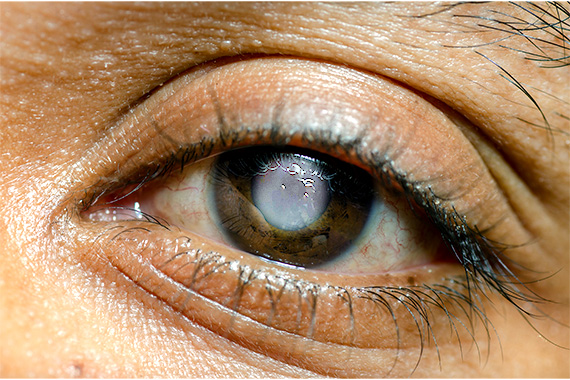
When to Get a Glaucoma Test
People often don’t realize that Glaucoma progresses without obvious symptoms until significant damage has occurred. That’s why a timely glaucoma test becomes crucial. According to trusted sources, people over 40 years with no risk factors should have regular eye exams that include glaucoma screening. If you have risk factors, such as a family history of glaucoma, diabetes, or hypertension, your eye doctor may recommend earlier and more frequent screening. If you live in an urban area like Mumbai and are looking for a glaucoma doctor in Mumbai or a glaucoma specialist in Mumbai, this advice is highly relevant: don’t wait for symptoms. Early scheduling can make a difference.
Why You Might Need a Glaucoma Test
Here are some of the key risk factors and warning signs that signal it’s time to see an eye specialist:
- Age 40 or older: Screening should start around this age for most people.
- A family history of glaucoma significantly increases your risk.
- Elevated eye pressure (intraocular pressure) or previous eye injury or surgery.
- Medical conditions like diabetes, high blood pressure, or long-term use of corticosteroids.
- Symptoms such as blurred vision, eye pain, seeing halos around lights, red eyes, or significant vision loss. Note: many cases don’t show any of these until advanced stages.
In particular, if you live in a city like Mumbai, and this applies to you, it is best to schedule an appointment with an eye-care professional to find an eye doctor for glaucoma or a glaucoma specialist in Mumbai. At some point, we will break our assessment and testing early.
What to Anticipate in the Clinic for a Glaucoma Test
During your initial visit to a glaucoma specialist, a variety of assessments and examinations will be performed to obtain a comprehensive overview of your ocular health. The assessments will include:
1. Pressure Test for Your Eyes (Tonometry)
It only takes a moment: the device uses a small air puff or light touch to see what the pressure inside your eye is. Elevated pressure is a key risk factor for glaucoma.
2. Dilated Eye Exam (Ophthalmoscopy)
Drops are used to widen your pupil so the doctor can look at the back of your eye, particularly the optic nerve and retina, through a microscope or camera. Changes in the optic colour or nerve shape can signal glaucoma.
3. Visual Field Test (Perimetry)
Perimetry measures your side vision, which is often the first to go with glaucoma, even before you notice a loss of your central vision. This test checks for blind spots in your vision and can pick up early signs of tunnel vision.
4. Examination of the Drainage Angle (Gonioscopy) & Corneal-Thickness Measurement
To determine how fluid drains out of the eye and whether the angle is open or closed. Also, corneal thickness influences pressure readings and glaucoma risk.
5. Imaging and Follow-Up
In many clinics, especially in cities like Mumbai, the specialist may use imaging technologies (e.g., OCT-optical coherence tomography) to monitor optic nerve and retinal nerve-fibre health over time. The doctor’s next step will be addressing glaucoma treatment if needed.
What Happens After the Test: Understanding Treatment & Next Steps
If the result of the test reveals glaucoma (or a significant risk), the specialist will explain the next steps needed. One of the key elements to know is: there is no way to reverse the damage that glaucoma will do, but there is appropriate treatment and management that can slow or completely stop the loss of vision, but which is contingent on timely intervention.
Options Available
- Medication (eye drops or oral): This is usually the first option to alleviate the amount of pressure in the eye.
- Surgery or laser implementations: This is the analysis of glaucoma or its other specific forms (e.g., angle-closure).
- Frequent follow-up: You will be expected to come in on a regular basis (every 3-12 months, depending on how serious the situation is) to see how the situation is progressing.
Why do you want a good specialist?
In places like Mumbai, searching for glaucoma doctors in Mumbai or glaucoma specialists in Mumbai will get you a good professional, but focusing on correct care, imaging accessibility, and timely follow-up will make a greater difference in the management of glaucoma.
How to Choose Your Eye Doctor for Glaucoma
- Confirm they are an ophthalmologist with glaucoma experience.
- Ask if they perform comprehensive tests (those listed above).
- Check how your follow-up will be managed (intervals, how results are communicated).
- Inquire about treatment options upfront: drops, lasers, surgery.
- If possible, seek someone who communicates clearly and listens to your concerns.
Smart Tips Before Your Visit
- Bring your medical history (any diabetes, high blood pressure, family history of glaucoma).
- List any medications you take (including steroids), as some increase risk.
- Wear your regular glasses/contact-lens prescription if you have one.
- Ask the specialist about “what happens next”: if tests are normal, when your next test should be.
If you don’t have symptoms now but have risk factors, don’t delay getting the glaucoma test. Early detection can save vision.