
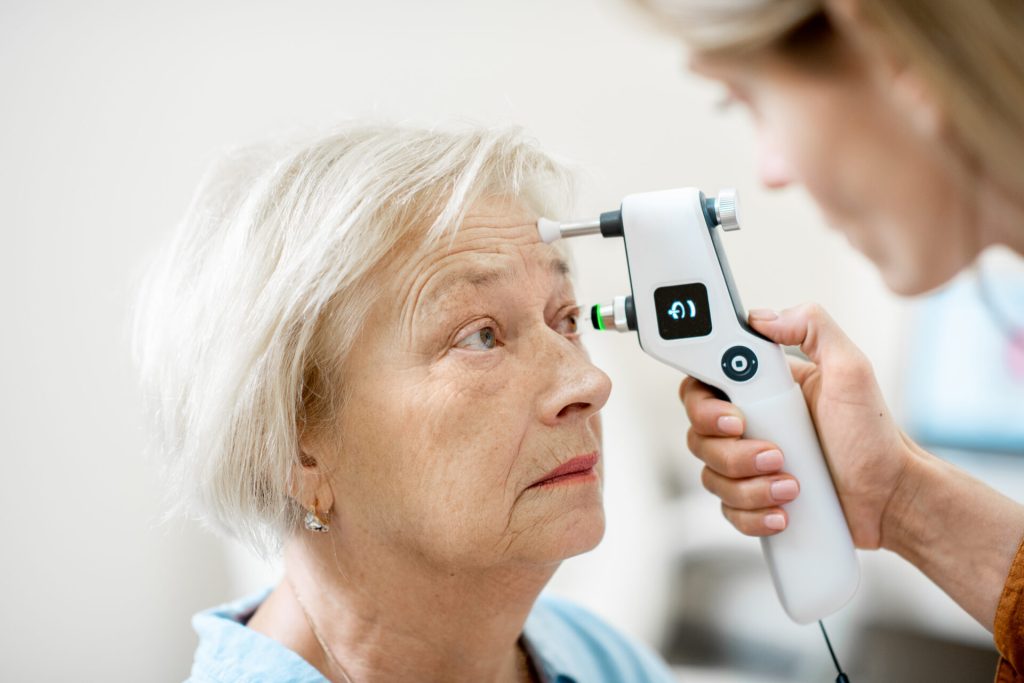
AI in glaucoma detection is emerging as a powerful tool for identifying optic nerve damage earlier and improving screening accuracy. Glaucoma is a leading global threat to long-term eye health and vision. This disease progresses quietly and can damage the optic nerve before symptoms appear. This is why early disease detection is so important to ensure the patient does not go permanently blind.
In the last few years, there have been bold claims regarding the role of Artificial Intelligence (AI) in ophthalmology. There is AI designed to analyze retinal photos, predict disease progression, and assist ophthalmologists in diagnosing and treating glaucoma more effectively and efficiently. The question remains: how useful is this technology?
In this article, we examine the impact of AI in the field of glaucoma.
AI in Eye Healthcare
For starters, Artificial Intelligence (AI) refers to a computer program that has the capacity to learn. Within the scope of glaucoma, AI systems review patient images capturing the optic nerve, core layers of the retina, and outcomes of visual field examinations.
AI systems scrutinize and learn from thousands of patient scans to develop the ability to recognize patterns linked to detecting glaucoma. This streamlines the work of a glaucoma doctor in Mumbai by flagging at-risk patients. Such systems, after extensive training, tend to be more perceptive of changes than the human eye.
Can AI Replace Eye Doctors for Glaucoma?
Although AI provides impressive diagnostic support, it cannot and should not replace trained medical doctors. Glaucoma incorporates many variables, and doctors must use their experience and training to evaluate patient history, eye pressure, condition of the optic nerve, and lifestyle factors to make any recommendations.
AI should be seen as an adjunct resource, not as a tool to be used in isolation.
Many eye doctors for glaucoma have already incorporated AI-assisted diagnostic imaging systems to make their screening processes more efficient. These systems identify patients who are likely to be at risk. Doctors then do their evaluations.
Advantages of AI in Glaucoma Detection
AI brings a lot of improvements to the field of ophthalmology, and some are highlighted below:
1. Early Detection
AI can identify subtle changes in the eye’s structure long before vision problems set in.
2. Analysis without Bias
AI, unlike human medical personnel, does not suffer from tiredness and, in the same way, does not introduce bias and subjectivity into the process.
3. Quicker Turnaround
Waiting time for diagnosis is longer as manual analysis of images is required.
4. Improved Access
In rural and less populated areas, screening services are offered remotely.
All of the above support timely Glaucoma treatment and help reduce the risk of irreversible vision loss.
The Limitations and Challenges
First, the AI systems are overly dependent on the quantity and quality of the information provided. If the training sets are too small or biased, the results and overall accuracy will suffer.
Second, AI cannot evaluate the symptoms of pain, discomfort, or concern that a patient is experiencing. These are often the guiding factors for a clinician’s decision.
To this day, the approval and the ethical considerations of such technologies are still being discussed in most countries. For most clinical studies, AI does a great job, but the real-world implementation of such technologies still requires careful supervision.
Hope or Hype: The Balanced Reality
Most of the time, AI in glaucoma detection is incorrect, but it still has some value.
When paired with a professional specialist, AI provides better screening and earlier detection.
AI tools assist glaucoma specialists in working with large volumes of patients.
For patients, Glaucoma doctors in Mumbai, who use AI-powered tools might already be in their regular check-ups without them being aware of it.
AI also reinforces preventive care by ensuring that patients undergoing glaucoma care are treated before the damage becomes irreversible.
The Future of AI in Glaucoma Care
The future appears to be bright.
Continuing studies aim to:
- Forecast the advancement of the illness.
- Personalized individual glaucoma treatment plans
- Observe how patients respond over time.
AI is expected to become an integral component of eye care as laws and technology continue to develop.
Closing Remarks
When used responsibly, AI in glaucoma detection improves screening efficiency without replacing clinical expertise. The role of Artificial Intelligence in how physicians identify and treat glaucoma is changing for the better, with faster, more precise, and more accessible early detection possible.
So, is AI in glaucoma detection the answer to our problems, or are we too excited about it?
The truth is in the middle.
With strong and responsible use, paired with other medical expertise, AI is and will always be an adjunct to physicians, never a replacement, in the effort to protect the eyesight of our patients.
If the field of AI is kept up with, and the system is utilized correctly, it will likely save millions of people from avoidable blindness.