
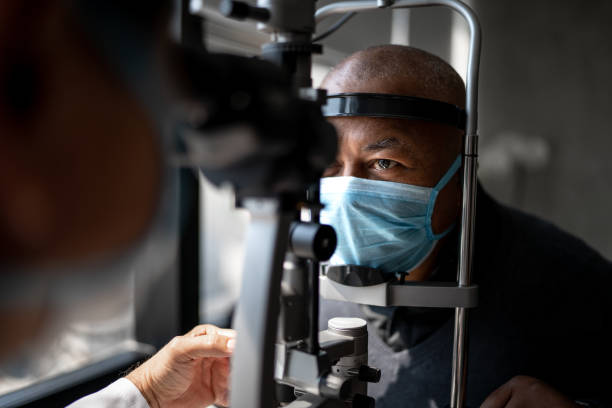
Consulting a glaucoma specialist in Mumbai at the right time can prevent permanent vision loss caused by this silent eye disease. Glaucoma is often misunderstood. Many people associate serious eye diseases with pain, redness, or sudden vision loss. Glaucoma rarely behaves that way. In most cases, it develops slowly and quietly, damaging the optic nerve long before a person realizes something is wrong. By the time symptoms become obvious, vision loss may already be permanent.
This is where a glaucoma specialist becomes essential. Especially in a fast-paced city like Mumbai, where routine eye check-ups are often delayed, recognising the right time to consult a specialist can make a lasting difference to your eyesight.
Why Glaucoma Needs Specialist Care
Glaucoma is not a single condition. It includes multiple types, each behaving differently and progressing at its own pace. Treating it is not about one test or one prescription. It requires long-term observation, comparison of findings over time, and careful adjustment of treatment.
A glaucoma specialist focuses specifically on optic nerve health, eye pressure behaviour, and subtle visual field changes. These details are easy to miss during routine eye exams. Specialist care ensures that glaucoma is detected early and managed correctly before irreversible damage occurs.
When Should You See a Glaucoma Specialist?
You do not need to wait for severe symptoms to consult a glaucoma specialist. In fact, waiting is what often leads to avoidable vision loss.
You should consider seeing a specialist if:
- Your peripheral (side) vision seems to be shrinking.
- You frequently need new glasses, but still feel your vision isn’t clear.
- You see halos around lights, especially at night.
- You experience unexplained eye pressure, headaches, or eye discomfort.
- There is a family history of glaucoma.
Certain individuals should be extra cautious even if they feel fine. These include people over 40, those with diabetes or high blood pressure, individuals using steroid medications for long periods, and anyone who has suffered eye trauma in the past.
Glaucoma does not announce itself early. Screening is often the only way to detect it.
What Happens During a Glaucoma Evaluation
A glaucoma consultation is more detailed than a standard eye test. The specialist looks beyond vision clarity and focuses on how well the optic nerve is functioning.
The evaluation usually includes measuring eye pressure, examining the optic nerve under magnification, checking peripheral vision, and using imaging tests to assess nerve thickness. In some cases, additional tests are done to study how fluid drains from the eye.
One visit rarely gives all the answers. Glaucoma is diagnosed by observing trends, not single readings. This is why follow-up visits are just as important as the first consultation.
Understanding Treatment Options
Glaucoma treatment is not the same for everyone. The aim is always to lower eye pressure enough to protect the optic nerve. How that is achieved depends on the stage of the disease and how the eye responds to treatment.
Medications
Most patients begin treatment with eye drops. These help reduce eye pressure either by decreasing fluid production or improving drainage. Drops must be used consistently. Missing doses can allow pressure to rise again, even if vision feels unchanged.
Most patients begin treatment with eye drops. These help reduce eye pressure either by decreasing fluid production or improving drainage. Drops must be used consistently. Missing doses can allow pressure to rise again, even if vision feels unchanged.
Laser Treatment
If eye drops are not sufficient or difficult to maintain, laser procedures may be recommended. Laser treatment helps improve fluid outflow and can reduce or eliminate the need for daily medication in some patients. It is usually quick and does not require hospital admission.
If eye drops are not sufficient or difficult to maintain, laser procedures may be recommended. Laser treatment helps improve fluid outflow and can reduce or eliminate the need for daily medication in some patients. It is usually quick and does not require hospital admission.
Surgical Options
When medications and laser treatments are not enough, surgery becomes necessary. Modern glaucoma surgeries are designed to lower pressure more effectively while minimising recovery time. The specialist decides on surgery only after carefully weighing risks and benefits.
When medications and laser treatments are not enough, surgery becomes necessary. Modern glaucoma surgeries are designed to lower pressure more effectively while minimising recovery time. The specialist decides on surgery only after carefully weighing risks and benefits.
Life After Diagnosis
A glaucoma diagnosis does not mean vision loss is inevitable. Many people live full, active lives with stable vision once treatment begins early.
Regular follow-ups are critical. Glaucoma does not stay static, and treatment plans may need adjustments over time. Patients who attend appointments, follow instructions, and communicate changes in symptoms tend to do far better in the long run.
Simple habits like controlling blood sugar, managing blood pressure, avoiding smoking, and protecting the eyes from injury also support treatment success.
Choosing a Glaucoma Specialist in Mumbai
Mumbai offers advanced eye care facilities, but expertise matters more than location. A good glaucoma specialist prioritises careful monitoring, explains findings clearly, and focuses on long-term protection rather than quick fixes.
Trust, continuity of care, and experience are key factors when choosing someone to manage a lifelong condition like glaucoma.
Final Thoughts
Glaucoma does not have to steal your vision. What it requires is attention, patience, and the right medical guidance. Knowing when to see a glaucoma specialist and understanding what treatment may involve allows you to take control before damage occurs.
If you are at risk, or if something about your vision feels off, do not wait for symptoms to worsen. Early evaluation by a glaucoma specialist in Mumbai can help preserve your sight for years to come.