
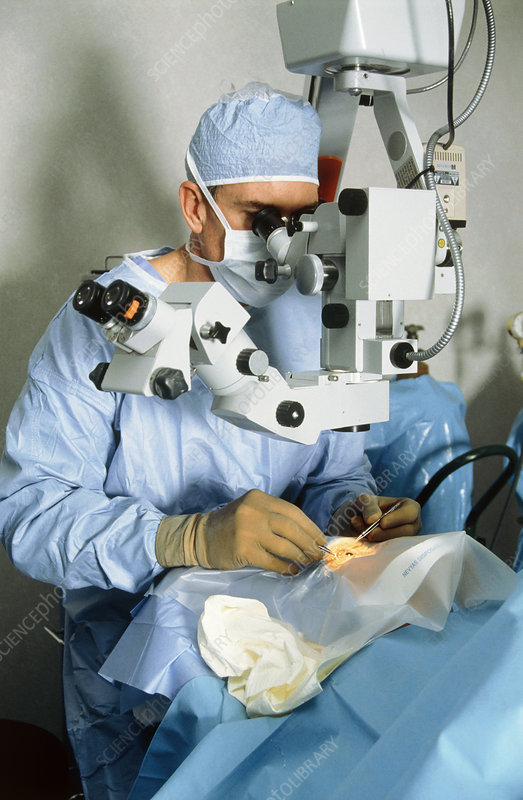
Choosing the right eye hospital in Mumbai is not a decision to take lightly. Mumbai eye clinics must establish a solid reputation and be candid about diagnosing and treating glaucoma and cataracts, as careless inaction may result in irreversible sight loss.
Cataracts are the most common eye disease worldwide, with approximately 2.2 billion people suffering some degree of visual impairment, per the World Health Organization. India, like the rest of the world, suffers a high incidence of cataracts, the leading cause of preventable blindness. Glaucoma, that crippling disease with no early avoidable symptoms, takes a silent societal toll. Together, they create a pressing need for education and early intervention.
Why Choosing an Eye Hospital in Mumbai Matters
Once the goal of preserving sight is lost, the hands of time cannot be turned back. Glaucoma and the damage it causes to the optic nerve progress imperceptibly and on an extended time scale. Since there are no early avoidable symptoms, damage is often done, and the window for intervention is missed.
The Optic Nerve is a one-way street for information. Once damage occurs to the optic nerve, it is irreversible. This is the damage done by glaucoma. The damage occurs over extended periods and is often unnoticeable to the average layperson. Because of this lack of knowledge, damage is done before intervention is even considered.
The Best Eye Hospital in Mumbai
There are many services offered to patients with eye disorders in Mumbai. To begin with, they need a more comprehensive diagnosis than a simple eye check-up. Eye hospital in Mumbai are staffed with highly skilled eye specialists, state-of-the-art technology, and patient management systems.
As for the Glaucoma patients, the monitoring continues. Glaucoma is a long-term management process with continuous supervision and regular eye pressure checks and scans. On the contrary, cataract surgery in Mumbai is more about the long-term management of surgical procedures. In this case, the processes of preoperative assessment and postoperative care are of great importance.
Hospitals that focus on providing care for both of these conditions focus on interdependent processes. They do timely diagnosis, formulate a treatment plan, and provide continuous care through follow-up and the patient management system. The absence of one of these processes is what structures the reliable and average facilities.
Understand the Recovery Process Post Surgery
There are many patients who focus on the surgical process and forget about the recovery process. In fact, the recovery process is as critical as the surgical procedure for the success of cataract management.
It is always a good idea to ask practical questions before admitting yourself to any hospital. What type of lenses and technology does the hospital use? Why Does the Surgeon’s Experience Matter in Eye Treatment? What is the postoperative care that is offered by the hospital?
Cataract surgery in Mumbai is a very safe procedure; the greatest risk is the Postoperative care of unresponsiveness. People who understand their postoperative instructions very well are relaxed, and this makes the process of healing easy.
Trust the Process
Trusting the process is essential for successful treatments, both medically and in this case, ophthalmologically, and so the step-by-step, in-process guidance and support is key. Patients are generally more inclined to follow up with stated recommendations if they understand more about the process. Patients become more encouraged about the treatment when the hospital is clear and transparent about:
- Costs, including any prescribed medications
- Instructions for medications
- Scheduling follow-up
- Availability to answer further questions
These all promote trust and, ultimately, better treatment outcomes.
When Should You Visit an Eye Specialist?
People usually avoid going for eye check-ups until something is wrong. Don’t be one of those people. You are encouraged to seek help if you experience:
- Blurred vision
- Eye strain
- Headaches
- Difficulty seeing at night
These symptoms are indicative of a larger, possibly avoidable, problem, including (but not limited to) vision and/or ocular issues, and possibly even glaucoma (e.g., seeing halos around light). Especially, as we age, eye issues like cataracts and glaucoma become increasingly problematic.
Conclusion
When considering an eye hospital in Mumbai, you’re not selecting convenience; you’re prioritizing your health. You want a hospital with an accurate diagnosis, modern, good, consistent treatment, and follow-up. These are particularly necessary for ongoing treatment and monitoring of glaucoma, and an excellent co-management of surgical treatment and post-operative care for cataracts.
Thoughtful consideration will help you find the right eye hospital that suits your immediate and continuing health care needs.