
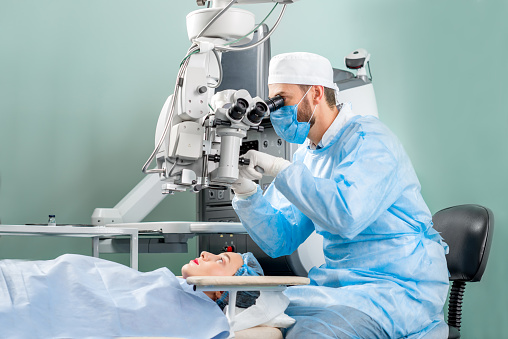
Choosing the best cataract surgeon in Mumbai is one of the most important decisions for anyone planning vision-restoring surgery. Planning to restore your vision by getting cataract surgery is a step that should be carefully considered, as is its planning, especially for people in Mumbai, as that involves choosing a specialist. Vision is something people consider priceless, and so choosing a specialist for safe and effective surgery should be a priority. This guide discusses the factors to consider when selecting a Cataract removal specialist in Mumbai, the importance of experience, and how to ensure the best care. Mumbai has some of the best vision care in the world, and being able to see one of the Top eye specialists in Mumbai can be the difference between success and failure with cataract and glaucoma surgeries.
Cataracts and the role of the surgeon
When clouds form on the natural lens of the eyes, difficulties in vision, such as blurriness and glare, may occur. They’re called cataracts, and if no treatment is obtained, the impairment of vision may get worse. India is home to some of the most avoidable instances of blindness, and so getting the treatment on time is crucial. More and more people in the country are turning to undergo the procedure. Out of the many, India is home to more than 6 million cataract surgeries annually, which shows the importance of surgery.
When searching for an experienced eye specialist for Cataract in Mumbai, the technical skills of the surgeon are not the only ones that you should consider, but also the other factors that contribute to their experience and to the safety of the patient.
Cataract Surgeons: Key Characteristics
1. Documented Surgical Background
One of the primary aspects of selecting a surgeon is surgical background. Surgeons with a particular background in performing a high number of cataract surgeries are likely to develop the necessary skills to address the multiple aspects of the surgery, including the different variants of the anatomy, additional eye co-morbidities, and complications that may arise. With enough experience, a surgeon will develop the necessary intuition to be able to select the best surgical technique or technology to maximize the surgical outcome for that patient.
2. Extensive Training and Recognized Certifications
Research the potential cataract surgeon’s education and training history concerning the field of ophthalmology. A cataract surgeon should only be called a surgeon if they have gone through extensive training and have participated in additional education opportunities such as workshops and conferences. They must have also obtained specialty certifications in other areas of eye care. Trust can be increased with certifications through respected national associations and/or medical boards.
3. Availability of Cutting-Edge Technology
Today’s cataract surgery has become more technologically advanced, and the more advanced the technology, the more successful the surgery outcomes. Newer techniques, such as phacoemulsification, require smaller incisions. A Cataract removal specialist in Mumbai offers the latest technology with advanced imaging systems to provide accurate diagnoses, effective surgical plans, and seamless surgeries.
Innovative technology, paired with excellent teamwork, has given several eye care systems in India the ability to consistently perform thousands of successful cataract surgeries.
How to Assess Cataract Surgeons – Helpful Tips
1. Review Patient Feedback and Results
Inquire about the success rates and complication rates. Some clinics offer testimonials and metrics claiming to show how much vision patients have regained after the surgery. Given how high the success rate of cataract surgery is (98% or higher, depending on the source), reassuring numbers can give an indication of the skill and reliability of a surgeon.
2. Look for Effective and Open Communication
A good surgeon is the one who hears your concerns, gives you explanations of your surgery that make sense, and provides you with your treatment options, which include the choice of lenses. He or she should outline what you can expect before, during, and after the procedure.
3. Pose Purposeful Questions
Before making a decision, ask questions that should give you insight into the surgeon’s principles and methods. For instance:
- Which surgical methods do you excel in?
- How do you manage complications should they arise?
- What is your follow-up care policy?
These questions help you evaluate the surgeon’s skill and the extent of care and attention he or she will provide.
Conclusion
Patients who take time to consult the best cataract surgeon in Mumbai often benefit from safer surgery and better visual recovery. An experienced eye specialist for Cataract in Mumbai will be a mixture of experience, up-to-date clinical practices, calm assertiveness, and empathy. Then, consider whether the surgeon treats problems that often accompany cataracts, like glaucoma, and if he or she is adept at performing both routine cataract surgery and caring for those additional problems.
Increased independence and a better quality of life start with the restoration of clear vision, and that can only come with the removal of cataracts. High success rates and modern clinical care are hallmarks of Top eye specialists in Mumbai, offering patients trusted solutions.