
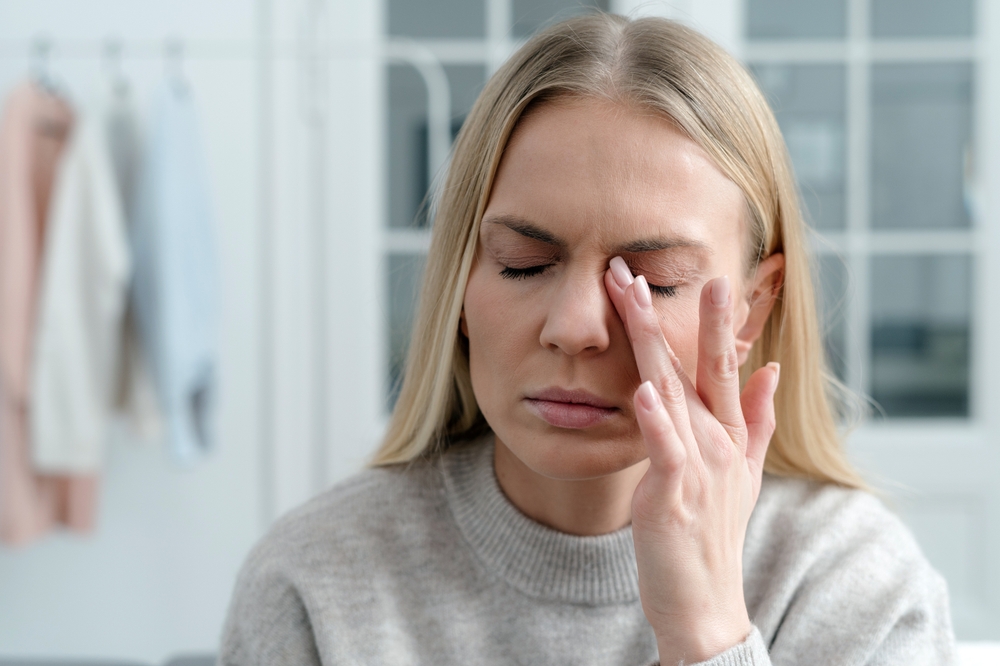
Contact lens mistakes can seriously damage your eyes if proper care is ignored. Poor hygiene, sleeping with lenses, wearing them longer than recommended, and skipping eye checkups can lead to infections, irritation, blurred vision, and long-term eye problems.
Contact lenses are a popular choice for vision correction, but they come with responsibility. Understanding the most common contact lens safety mistakes can help protect your eyesight and improve overall contact lens safety.
Why Contact Lens Mistakes Can Harm Your Eyes
Carelessly applying contact lenses can damage your cornea. They can also block oxygen from going to your eye, causing bacteria to infect your eye. This happens in 1 of 5 contact lens infections, according to the CDC. Poor contact lens care can also cause a serious eye problem from infection. The single best thing contact lens users can do is to practice good hygiene.
Pain, redness, and blurred vision are common side effects of contact lenses and signs that you are jeopardizing your eye health. The key to avoiding these adverse outcomes and to protecting the safety of your eyes is good hygiene.
Sleeping With Contact Lenses: A Common Contact Lens Mistake
Neglecting Lens Care is a health hazard, especially to those who fall asleep with the lenses in. There are some lenses that are approved for overnight use; however, the lens increases the risk of infection. The less oxygen that is supplied to your eye while you sleep, the greater your eye’s susceptibility to corneal bacteria.
Here are some of the consequences of sleeping with a lens in:
- Eye redness
- Dryness and irritation
- Blurred vision
- Decreased light tolerance
Begin removing your contact lenses each night to prevent damage to your eyesight.
Poor Hand Hygiene While Using Contact Lenses
It is really common for people to neglect to wash their hands before putting on or taking off contact lenses. It is highly likely that dirt and oils are transferring to your eyes while doing this. This is, in effect, a transfer from your hands to your contact lenses to your eyes.
- Burning sensations
- Eye Infection
- Inflamed Cornea
- Watery Eyes
Good hygiene will improve your long-term relationship with damage from contact lenses.
Ignoring Contact Lens Replacement Guidelines
Some are frugal and do not take the contact lens user direction as strongly as financially needed to. Afterward, old lenses become worse; older lenses have more old lenses. More old lenses gather more bacteria, accumulate protein, and more dirt; thus, contact lenses increasingly reduce the amount of oxygen in your eyes.
Tell your contact lens wearer to stop if they are experiencing irritation, dryness, or blurred vision.
Let Water Clean Lens Eyes
Some people are not frugal and believe that, out of their normal, they are still good. Tap water has a high risk of changing your microbiome. It is dangerous for healing infections.
Acanthamoeba (a pathogen of the eyes) contact lens. Then, this pathogen leads to your contact lens blindness.
Water should never be used in place of a disinfecting solution for your lenses. The disinfecting solution has a special construction to remove bacteria and effectively disinfect lenses.
To stay on the safe side, always:
- Use disinfecting solutions that are fresh.
- Change your solution daily to keep it fresh.
- Do not store lenses in water.
- Keep the lens cases clean and at their highest standard.
These steps will help reduce the side effects of contact lenses and improve overall eye health.
Warning Signs You Should Never Ignore
You should get a professional opinion on your eye health if you think you display the following signs. If you ignore these things, you may lose your vision for good.
Look for medical help if you notice:
- A persistent redness
- A severe pain
- Suddenly, noticeable blurriness
- Swelling
- A tear that seems out of place
- Light sensitivity
These symptoms could be the result of serious contact lens mistakes that require a doctor’s care.
Final Thoughts
While contact lenses certainly are a helpful tool that helps you to see clearly, poor habits can diminish the condition of your eyes. Poor habits include poor contact lens hygiene, not changing them when you should, frequent use, and skipping your eye care provider appointments.
These poor habits can cause infections and loss of eyesight. If you have knowledge of the common mistakes involving contact lenses, you can save your eyesight.
Poor hygiene, failure to replace lenses, and failure to follow safety recommendations can negatively affect contact lens safety and your eyesight. Long-term use can damage your eyesight.