
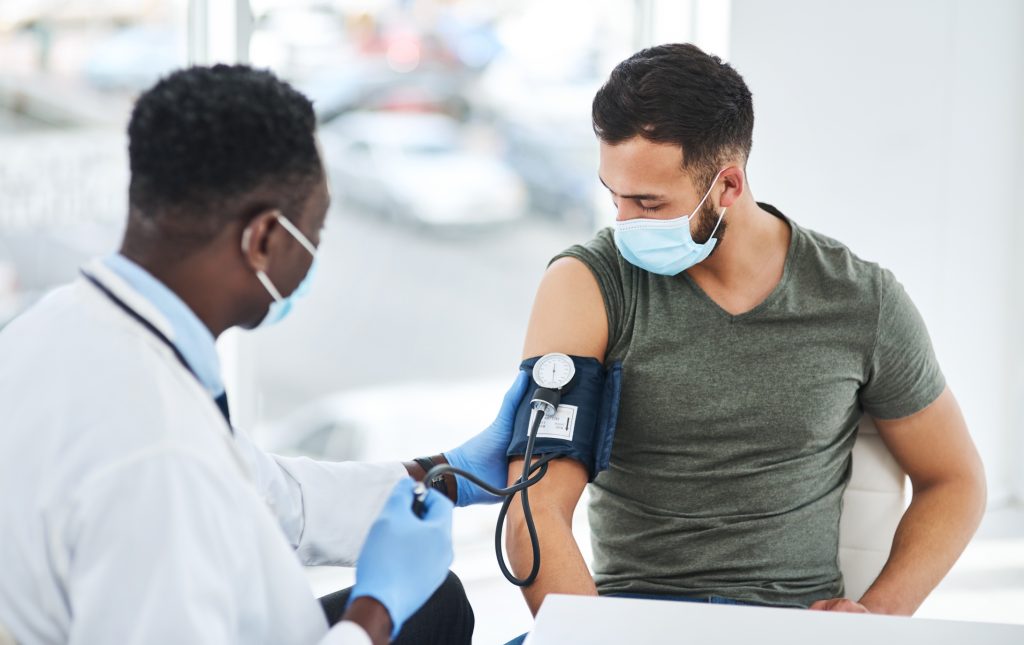
High Blood Pressure and Vision Loss are closely connected, yet many people remain unaware of how hypertension can silently damage eyesight. Damaged hearts and kidneys caused by high blood pressure are common knowledge, but vision problems are often ignored. However, high blood pressure is a silent, gradual destroyer of vision. Symptoms usually appear only after the damage is already done, and by then, it is often irreversible. Understanding how high blood pressure affects vision may help prevent permanent vision loss.
How High Blood Pressure and Vision Loss Are Connected
Oxygen and nutrients to your retina are provided by the many small blood vessels in your eyes. The retina is the tissue that makes vision possible. These small blood vessels in the eyes are slowly and constantly damaged by high blood pressure, leading to thinned, narrowed, and eventually ruptured blood vessels.
High blood pressure affects vision caused by damaged or ruptured blood vessels.
1. Hypertensive Retinopathy
The blood vessels in the retina are damaged when high blood pressure is left uncontrolled and ruptured. Doctors classify this condition from a grade of 1 to 4. Grade 1 is a complete absence of symptoms. Grade 4 is swelling of the optic nerve and macula, leading to vision loss.
2. Optic Neuropathy
The optic nerve is responsible for the transmission of all visual information to the brain. High blood pressure disrupts the blood flow to the optic nerve, which impacts the nerve’s ability to regenerate, and this leads to the loss of vision.
3. Choroidopathy – Liquid Causing Vision Distortion
Leakage of blood vessels below the retina results in the accumulation of liquid and the distortion of vision. Things appear wavy and blurred. In an advanced situation, permanent scarring may develop beneath the retina, resulting in permanent damage, even after blood pressure is brought back to normal.
Why High Blood Pressure and Vision Loss Often Go Unnoticed
Hypertension and vision impairment share a most dangerous fact; both are profoundly silent until critically damaging effects are noticed. The majority of patients with hypertensive retinopathy are symptomless in the early stages. They remain totally unaware of the tiny hemorrhages developing in the retina. They remain oblivious to the slow and gradual narrowing of their eyes’ blood arteries.
Serious damage has occurred by the time patients experience blurred vision, see floating objects in their visual field, or experience sudden darkness. This is why patients who see no value in periodic eye examinations are, in fact, exposing themselves to a potential serious endangerment.
Some groups are at even greater risk. Severe vision impairment is a significant negative effect of high blood pressure and a complete loss of vision, resulting from the concomitant presence of high blood pressure, diabetes, high blood cholesterol, or active smoking, as confirmed by the Centers for Disease Control and Prevention.
What are some things that need Immediate Attention?
The following irregularities indicate the need for immediate concern, and an eye care practitioner should be consulted.
- Rapid loss of the sharpness of vision in one or both eyes.
- Rapid development of light in one’s visual field (flashing) or spots (floaters).
- Obstruction of field vision by a curtain or a shadow.
- The sudden inception of double vision (without injury).
- Any visual change associated with persistent headaches
This symptom could indicate a dangerous blood pressure spike where severe eye and brain damage can occur within hours.
Preventing High Blood Pressure and Vision Loss
There is good news: early high blood pressure and retinopathy can improve and be controlled. Doctors cannot get ahead of Grade 4 retinopathy. This is proactive care:
Control your blood pressure: Live a healthier lifestyle. Eat less salt. Exercise a whole lot more. Control your drinking and tobacco use. Take your medication as prescribed.
Schedule Your Eye Exams: A well done, dilated eye exam can catch retinopathy of the eye that’s associated with your high blood pressure, before you have any symptoms. Once you’re diagnosed with high blood pressure, you get your eye exams every year, at a minimum. If you have more risk factors, you can be looking at eye exams every three to six months. Regular checkups at a trusted eye hospital in Mumbai can help detect hypertensive eye damage before it becomes severe.
Take Your Eye Exams Every Year: Catch dangerous spikes in your blood pressure before they damage your eyes.
Conclusion
Every day, and especially for the people of India, the connection between blood pressure and worsening eyesight is not and cannot be an abstract concept or a future possibility, and it certainly would not be a hypothetical situation. The most effective and valuable way to solve this damage is to control blood pressure constantly and have regular eye exams.
Hypertensive patients need an eye exam. Go to a credible eye hospital in Mumbai to challenge for an exam or for a serious case. Your choice determines the state of your eyesight and the consequences that you will have as a result of your actions.