
Glaucoma, for most, is characterized by needing eye drops, an operation, or receiving a glaucoma screening at a doctor’s office. What most don’t realize is the importance of the daily food and beverage choices made. A glaucoma diet, while not a substitute for medication, can help reduce intraocular pressure (IOP). There is value in understanding the foods and drinks to limit as an easily accessible way to support your clinical care.
Importance of Diet in Glaucoma Control
Glaucoma is characterized by the destruction of the optic nerve as a result of an increase in the pressure of the eye. Age and genetics are the biggest driving factors, but the lifestyle choice of diet can either positively or negatively affect eye pressure. Dietary choices have been noted by the American Academy of Ophthalmology as a contributor to the health or decline of the optic nerve. Managing your diet gives patients some control over an otherwise difficult condition.
Antecedents of a Poor Glaucoma Diet: Why Your Glaucoma Diet Matters
- High sodium foods: High salt intake leads to water retention and increased blood pressure. This can indirectly affect pressure inside the eye. High-sodium foods may be found in processed, packaged, and fast foods. Replacing them and incorporating more whole foods will serve to lower both sodium and intracranial pressure.
- Saturated and trans fats. These fats can limit oxygen supply to the optic nerve. Fats that come from red meat, whole-fat dairy, and fried foods increase blood supply resistance. Trans fats, which occur in partially hydrogenated oil, can lead to the weakening of the heart and blood supply to the eye, according to Harvard T.H. Chan School of Public Health.
- Carbohydrates with a high glycemic index. Refined pasta, white bread, and sweet cereals are high in simple sugars that are excessively broken down and absorbed, leading to high blood sugar. This, in turn, causes an increase in insulin, and some studies show that this can lead to an increase in IOP. Choosing foods with a low glycemic index will support a healthy glaucoma diet, as it will avoid fluctuations in blood sugar.
Drinks That Raise Eye Pressure
- Alcohol: Alcohol may temporarily lower eye pressure, but heavy drinking combined with the dehydration that alcohol causes can lead to poor nutrient absorption and stress on the liver, which can damage the optic nerve. Occasional consumption of wine is deemed relatively safe, but heavy drinking does great damage to the eyes.
- Energy drinks and sodas: These drinks contain sugar, caffeine, and other additives, which stress the kidneys, which may lead to Eye Pressure problems. These drinks are made of sugar, which causes blood sugar spikes, and caffeine, which increases Eye Pressure, so multiple ways of attacking Eye Pressure. They should be consumed sparingly if you are managing Glaucoma.
- Drinking large amounts of water: Consuming large amounts of water, especially on an empty stomach, can lead to temporarily high IOP. The NIH has even published studies on this, and so if you are looking to lower eye pressure, you should sip water throughout the day, not gulp large amounts.
Eat More of These: Creating a Glaucoma Protective Diet
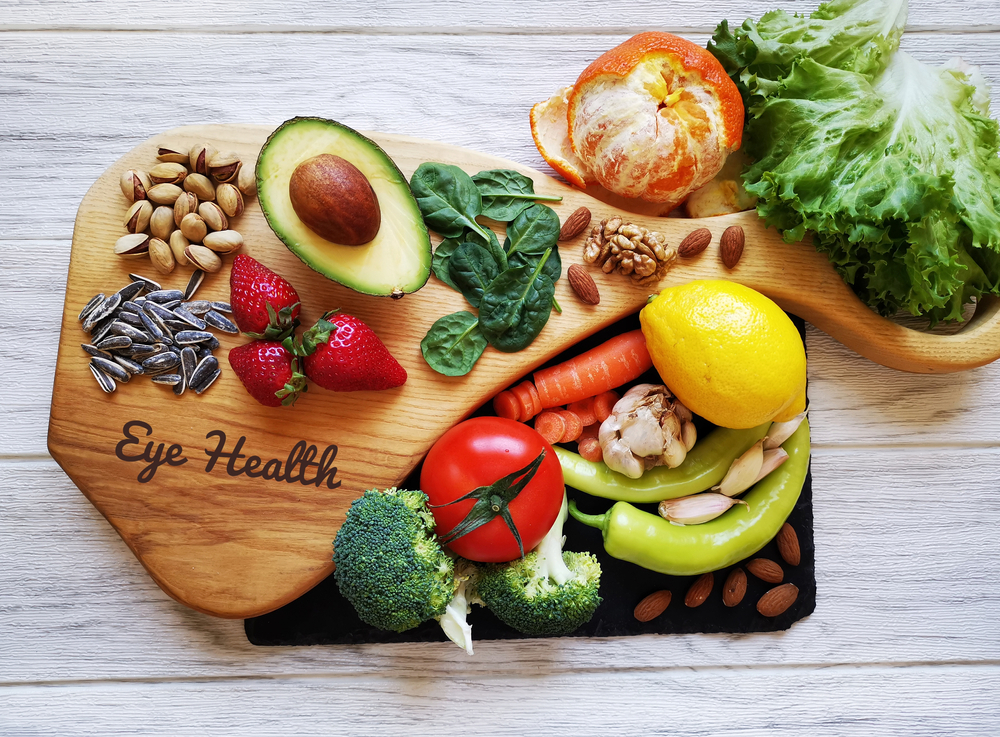
Balancing harmful foods with healthy choices is equally important. Spinach, kale, and other leafy greens are rich in nitrates, which help blood flow in the eyes. Omega-3-rich fish like salmon and mackerel help to lower the inflammation around the optic nerve. Antioxidants that protect nerve tissue are found in berries and citrus fruits. Vitamin E and magnesium, which help to lower eye pressure, can be found in nuts and seeds.
The NHS recommends a healthy lifestyle, along with regular check-ups for glaucoma patients. Prescribed treatment, along with a healthy diet, yields the best results.
Glaucoma Treatment in Mumbai: Diet as Part of Your Care Plan
In case you are looking for glaucoma treatment in Mumbai, you will notice that leading eye specialists take an integrative approach more and more. In addition to the usual eye drops, laser treatments, and surgery, they talk to patients about their diet, sleep, and exercise. Specialists providing glaucoma treatment in Mumbai will address the dietary issues and integrate those into a management plan based on your specific IOP and optic nerve health.
Changing your diet won’t cure conditions, nor should it prevent you from following your doctor’s orders, like testing for glaucoma. No matter how good you feel, the damage caused by glaucoma is irreversible, and it often goes unnoticed. The glaucoma test is how you catch that damage early.
Conclusion
There may not be a nutritional remedy for glaucoma, but there are definitely nutritional triggers. Foods high in salt, saturated fats, and sugar, along with excessive caffeine and alcohol, can increase eye pressure. While supporting your medical treatment with a diet focused on whole foods and steady hydration, along with the right substitutions, help yourself further by making day-to-day decisions to construct a glaucoma diet. Whether your treatment for glaucoma is in Mumbai or any other city, the right choices begin now. Schedule your glaucoma test, consult with your specialist, and let your diet become a form of your defense.