
Most people don’t notice they have glaucoma until they start losing their vision. For older adults, timely glaucoma treatment in Mumbai can make a critical difference. Glaucoma doesn’t have obvious early symptoms, which is why people over 60 are at high risk and require regular eye exams.
What Is Glaucoma & Treatment Options in Mumbai
Known as the side vision thief, glaucoma describes a range of conditions that damage the optic nerve because of increased Intraocular Pressure (IOP). This leads to permanent vision loss. Glaucoma is the second leading cause of blindness in the world, affecting over 80 million people.
Many eye conditions are present after 60. This is because of the normal body changes that come with age: poorer drainage canals, weaker optic nerves, and thinner corneas. This is also true of people with a family history of eye diseases, diabetes, and high blood pressure. In India alone, it’s estimated that about 12 million people have glaucoma, but a significant number remain undiagnosed.
Early Signs Before Glaucoma Treatment in Mumbai
Identifying glaucoma can be difficult, as it usually shows no symptoms in its early stages. Open-angle glaucoma is the most widespread form of this condition, and it’s also one of the most silent. Most individuals do not notice this loss until central vision is also compromised.
When the aforementioned condition is present, several symptoms may be present. These are:
- Loss of peripheral vision
- Seeing halos of light around light sources, which are more prevalent at night.
- Blurred vision and eventual tunnel vision
- Noticeable eye pain or redness. This is more associated with acute-angle closure glaucoma.
- Severe eye pressure can also be accompanied by nausea.
Acute-angle closure glaucoma is the most symptomatic form of the condition. Even with this, it is still one of the less frequent forms associated with this condition. Open-angle is the most frequently diagnosed form of this condition. This is especially more prevalent in adults over 60. This form is also the most elusive absence of diagnostic testing.
Conduct Diagnostics After 60
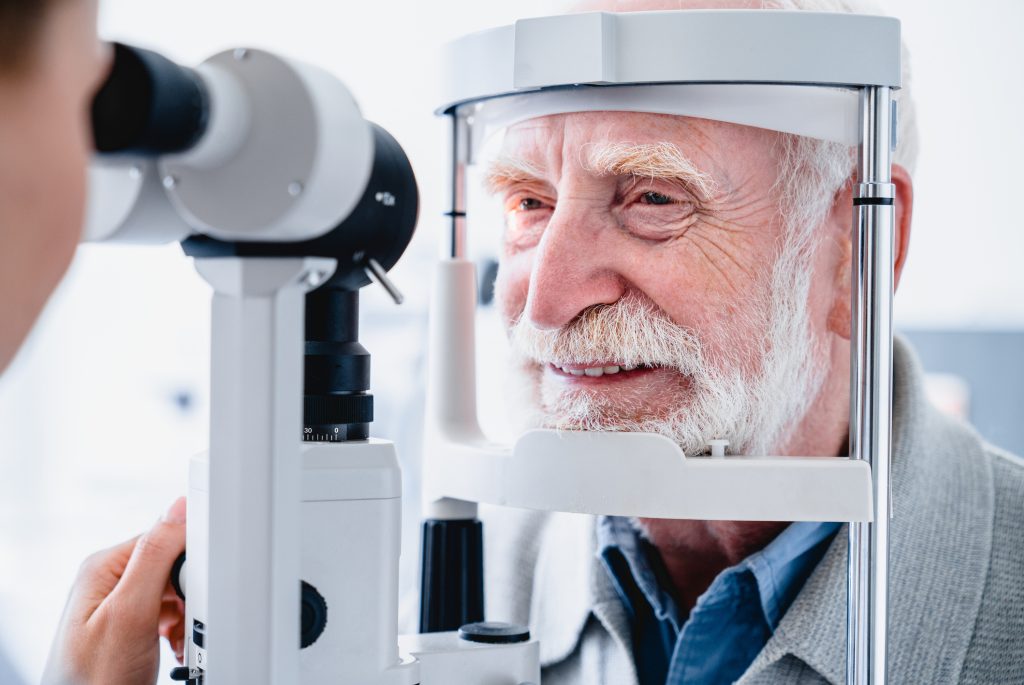
A lack of symptoms is not a reason to skip regular eye exams every 1 to 2 years. If you are an adult over the age of 60, this is especially the case. These examinations assess intraocular pressure (IOP). These diagnostic tests prevent damage to the eye and vision that is otherwise irreversible. They also check the health of the optic nerve and get an assessment of your visual fields.
Glaucoma Eye Drops: First Steps to Eye Safety
In most cases, glaucoma patients are prescribed eye drops as the first method for reducing high eye pressure. These drops either slow the production of the aqueous humor or increase the outflow of the aqueous humor. The most common classes of glaucoma drops are prostaglandin analogs, beta blockers, and alpha agonists.
Using the drops consistently as prescribed is essential for the health of the optic nerve. Skipping doses can increase intraocular pressure and damage the optic nerve. Older patients often manage multiple medications; they must communicate with their eye doctors about their other medications and the regimen.
There are mild side effects to most of these drops, which are stinging and redness. Growth of the eyelashes, changes to the heart rate, or blood pressure are also potential side effects. These drops should also be prescribed with caution to patients with certain health conditions.
Changes in Diet and Activities to Promote Eye Health after 60
These lifestyle changes help support overall eye health. In addition to prescribed medications and other glaucoma treatments in Mumbai, eye health can be supported through systemic health. Any aerobic exercise is encouraged, but swimming or walking can help lower eye pressure. Eating green, Omega-3, and antioxidant-rich foods can protect the optic nerve. Rescue diving and other high-pressure activities are also to be avoided, since they can spike intraocular pressure.
Managing conditions like diabetes alongside hypertension requires special consideration. High blood pressure can affect blood flow to the optic nerve, and those who are diabetic have a greater risk related to the eye. Coordinated care involving regular visits to a primary care physician and an ophthalmologist is an important part of a safety net.
Conclusion
No matter where you are in India, you can now get world-class eye care, whether you need advanced glaucoma treatment in Mumbai or anywhere else. Time is the one thing no glaucoma treatment can reverse, so you need to act quickly to preserve your vision. Don’t wait; go get your eye exam.