
Entropion
An entropion is an inwardly turned (inverted) eyelid. The condition occurs primarily as a result of advancing age with consequent weakening of certain eyelid muscles. The imbalance between eyelid muscle groups results in the inward turning of the eyelid. The condition almost always affects the lower, rather than the upper, eyelids.
The main symptom patients experience is foreign body sensation as lashes rub against the eye. Repair of the inversion maybe be completed with a variety of procedures which tighten the lid tissues, resolving the imbalance between the muscle groups of the lower lid. Most patients experience immediate resolution of the problem once the surgery is completed with little if any post-operative discomfort.
Ectropion
An ectropion is an outwardly turned (everted) eyelid. The condition most often is associated with aging, though it may also occur congenitally, as a result of scarring or other surgeries, or secondary to facial nerve paralysis. If not repaired, the condition may lead to thickening of the mucosal surface on the inside of the eyelid with consequent inflammation of and danger to the health of the eye itself. Most symptoms are due to increased exposure of the eye, resulting in redness and irritation.
Ptosis
Ptosis refers to drooping of the upper eyelid of one or both eyes. The droop may be barely noticeable, or the lid can descend over the entire pupil. Ptosis can affect both children and adults, but usually occurs because of aging—as a result of the stretching or thinning of the muscle responsible for lifting the eyelids. Depending on how severely the eye lid droops, people with ptosis may have difficulty seeing. Sometimes people tilt their heads back to try to see under the lid or raise their eyebrows repeatedly to try to lift the eyelids. Many people with this condition are frustrated by the strain of keeping their eyes open when reading.
Surgery to correct ptosis may be necessary when the ptosis has caused the eyelid to partially or completely block vision. Ptosis surgery is a relatively routine procedure, which takes less than one hour, and will not only help patients with the condition see better, it will also improve the appearance of their eyes. Eyelid ptosis in children often requires aggressive management in order to allow vision to develop normally.
Botulinium Toxin as Cosmetic Treatment
Botulinium Toxin is a popular cosmetic treatment for facial wrinkles, frown lines and wrinkle reduction. Botulinium Toxin allows people to look and feel younger without the risk or cost of traditional plastic surgery.
How Botulinium Toxin Works:
Botulinium Toxin is injected between the eyebrows and used to temporarily improve the look of moderate-to-severe frown lines between the brows in people 18 to 65 years of age. Botulinium Toxin, also known as onabotulinumtoxin A, should be administered by an experienced Ophthalmologist. The medication is injected directly into the muscles between the brows. It works by blocking nerve impulses to the injected muscles. This reduces muscle activity that causes moderate to severe lines to form between the brows. To maintain the effects, follow-up Botulinium Toxininjections are needed every few months.
Who is the Candidate for Botulinium Toxin?
Botulinium Toxin is most suitable for people who wish to diminish moderate to severe frown lines, crow’s feet and creases in the forehead. Very deep lines may require more than one treatment to be effective. Botulinium Toxin, however, is not suitable for treating wrinkles which are caused by sun damage, nor does it have an effect on the loss of the skin’s elasticity, which is a normal ageing process. When used for cosmetic purposes, the ideal age for a candidate is between the ages of 18 and 65.
Pregnant women and nursing mothers should avoid Botulinium Toxin injections as there is little evidence into the effects of Botulinium Toxinon the mother and child. Patients taking antibiotics should advise their doctor of this before undergoing treatment, as some medications will preclude patients from having the procedure. There are also several medical disorders such as multiple sclerosis which would make someone unsuitable for Botulinium Toxin treatment. You should inform your doctor of your complete medical history and all medications, vitamins and herbal supplements you are currently taking before having Botulinium Toxin treatments.
It is also important to remember that the amount of improvement in the appearance of wrinkles may vary among patients. Some people respond better to Botulinium Toxin than others. Occasionally there is little improvement and another form of treatment, or other dermal filler, may be recommended.
Side Effects and Risks
Despite being one of the safest non-surgical cosmetic treatments, Botulinium Toxin does have a few side effects and risks associated with it. When Botulinium Toxinis used as a wrinkle treatment and injected around the eyes and the mouth, possible side effects include: pain at the injection site; headaches; bruising; swelling; bleeding. These are minor and normal side effects that come with most injections and subside in a few hours to a few days. More serious side effects include: flu-like symptoms; respiratory infection; temporary drooping of the treated muscles. These symptoms are rare.
Blepharoplasty
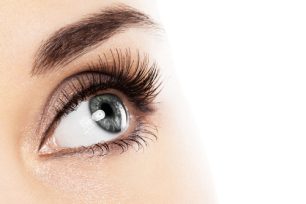 Blepharoplasty (Eyelid Surgery)
Blepharoplasty is both a functional and a cosmetic surgical procedure intended to reshape the upper eyelid by the removal and/or repositioning of excess tissue as well as by reinforcement of surrounding muscles and tendons. When there is excess upper eyelid skin, the skin may hang over the eyelashes and cause a loss of peripheral vision. The outer and upper parts of the visual field are most commonly affected, lids may feel “heavy” or tired, and the condition may cause difficulty with activities such as driving or reading. In this instance, we can perform upper eyelid blepharoplasty to improve symptoms. Patients with a lesser degree of excess skin may have a similar procedure performed for cosmetic reasons. Many patients find that the procedure gives them a rejuvenated, younger appearance. Blepharoplasty is performed through external incisions made along the natural skin lines of the eyelids, such as the creases of the upper lids and below the lashes of the lower lids, or from the inside surface of the lower eyelid. Typically the scars are hidden and not noticeable by others, even when eyes are closed.
Depending upon the scope of the procedure, the operation takes under one hour to complete. Typically only a few stitches are required and these are removed 7 to 10 days later. Most patients have little if any discomfort with the procedure. Initial swelling and bruising usually resolve within one week, however, final results will not become stable for at least several months after the procedure.
Latisse
Latisse is a product used to lengthen, thicken and darken eyelashes. It is actually a version of a glaucoma medication in eye drop form called bimatoprost (brand name Lumigan), in use since FDA approval in 2001. During that period, eye doctors and their glaucoma patients noticed that the drug had a noticeable side effect: over time patients using the drop developed longer, lusher eyelashes. Consequently Latisse was introduced to be used to cosmetically enhance eyelashes. It has some side effects, and should be used under the guidance of trained ophthalmologist.
How Does Latisse Work?
According to studies, Latisse lengthens, thickens and darkens eyelashes through a process that isn’t fully understood. You apply Latisse by dabbing it on your upper lash line each night with the sterile applicators supplied. The medication spreads to the lower lash line automatically as you blink. Latisse as it may promote hair growth on other skin areas.
After two months of nightly use, you may begin to see results. If you stop using Latisse, your eyelashes will gradually return to their former state.
Side Effects
According to clinical studies conducted before FDA approval, Latisse eyelash lengthener is safe for most people. However, this drug is not suitable for you if you have certain inflammation-related eye problems such as in (such as conjunctivitis or uveitis), severe allergies or skin infections of the upper eyelids. Glaucoma patients must consult their glaucoma consultant.
Dermal Fillers
In addition to Botulinium Toxin, in some patients, we can offers dermal fillers. Dermal fillers are soft tissue fillers that can add volume and reduce wrinkles, providing immediate results without surgery. Although there are many dermal fillers available. Commonly used: Restylane and Juvederm, utilize the natural hydrating sybstance, hyaluronic acid (HA). Using a dermal filler like Restylane or Juvederm is a safe and effective way to replace the HA your skin has lost, bringing back its volume and smoothing away facial wrinkles and folds. These two fillers have the best safety profile of all the fillers currently on the market and are FDA approved for use in the nasolabial fold.
Restylane
Restylane is a natural cosmetic dermal filler that restores volume and fullness to the skin to correct moderate to severe facial wrinkles and folds. Restylane is made with hyaluronic acid (HA), a natural substance that already exists in the human body and which is completely biocompatible with human hyaluronic acid. Furthermore, Restylane’s HA is hydrophilic or”water loving.” As hyaluronic acid gradually degrades, each molecule binds to more water (from the body’s own moisture) and over time, the same volume can be maintained with less HA. This ability of hyaluronic acid to bind to water is what helps provide lasting results. Another important consideration is that Restylane contains no human or animal DNA. This limits any risk of animal-based disease transmissions or development of allergic reactions to animal proteins.
Juvederm
Recently approved by the FDA, Juvederm™ injectable gel is a “next-generation” dermal filler. The smooth consistency gel helps to instantly restore your skin’s volume and smooth away facial wrinkles and folds. This dermal filler creates a long lasting smoothing effect because it has the highest concentration of hyaluronic acid and a special formulation process. This process creates a smooth gel that flows easily into the skin, creating smooth, natural looks. The smooth consistency of Juvederm™ dermal filler also may help to minimize the discomfort that can sometimes occur during the injection procedure.
Treatment
Restylane and Juvederm begin to work immediately, however, the results can take a few days to”settle into” their final shape. Restylane and Juvederm will last 4 to 6 months. In some cases duration of the effects can be a bit shorter or longer. Like all dermal fillers, they require maintenance 1-4 times a year depending on which filler, the area injected, and your own particular body chemistry. It is also important to remember that the level of improvement in the appearance of wrinkles varies among patients.
Side Effects and Risk
Despite being considered one of the safest non-surgical cosmetic procedure, there are some risks and side effects associated with dermal fillers. Patients who are pregnant, breast feeding or bruise easily should not use Juvederm or Restylane. After treatment with a dermal treatment, swelling may occur after the treatment although it usually lasts only 2 or 3 days. There may also be mild bruising or a slight blush at the injection site. Other common side effects include headache, nausea, and pain at the injection points.