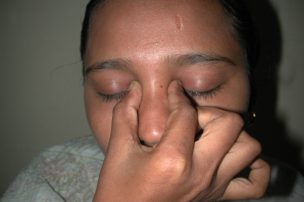
Medical Treatment: This consists of eye drops, which have to be put into the eyes
on a daily basis. Glaucoma medications are required for long periods usually life-long. The drops reduce the intraocular pressure and not putting the drops tends to cause increase in intraocular pressure as it was before treatment or putting drops irregularly will have wide intraocular pressure variation, which may hasten the optic nerve damage. Hence patients on antiglaucoma medication require to put the drops regularly as advised and not to discontinue therapy without medical supervision.

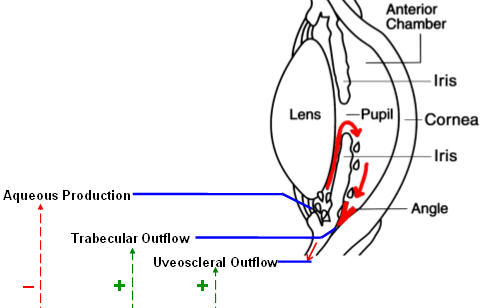
Timolol
 Latanoprost
Dorzolamide Pilocarpine
Brimonidine Bimatoprost
Brinzolamide Travoprost
Before you begin glaucoma treatment, tell your eye care professional about other medicines you may be taking. Sometimes the drops can interfere with the way other medicines work.
Glaucoma medicines may be taken several times a day. Most people have no problems. However, some medicines can cause side effects. For example, drops may cause stinging, burning, and redness in the eyes. Many drugs are available to treat glaucoma. If you have problems with one medicine, tell your eye care professional. Treatment with a different dose or a new drug may be possible.
There are a number of different types of eye drops which are available to treat primary open angle glaucoma:
Beta-blockers
These drops are usually used twice a day. They reduce the amount of fluid being secreted into the eye. These drops may need to be avoided in people with asthma or heart disease as they can be absorbed into the circulation, thereby causing problems in these areas. Timolol is an example of a beta-blocker.
Prostaglandin analogues
This drop is used once a day in the evening. It works by increasing the drainage of fluid out of the eye. The most common side effect of this drop is redness; most dramatic side effect is that it can change the colour of the eye. Latanoprost, Bimatoprost, Travoprost are examples of a prostaglandin analogue.
Adrenaline-type drops (sympathomimetics)
These drops are used twice a day if used with beta-blockers, or three times a day if used alone and are generally well tolerated. They reduce the amount of fluid secreted into the eye. Patients with heart disease may be unsuitable for this treatment. Dipivefrine (Propine) or Brimonidine (Alphagan) are examples of adrenaline-type drops (sympathomimetics).
Carbonic anhydrase inhibitors
These drops are used twice a day if used with beta-blockers, or three times a day if used alone. They reduce the secretion of fluid into the eye. Dorzolamide, Brinzolamide are examples of a carbonic anhydrase inhibitor.
Miotics (parasympathomimetics)
These drops are usually used four times a day. They increase the drainage of fluid out of the eye. These drops cause a small pupil which may mean that they cause a reduction in vision.
They may give rise to headache. These drops were the original drops to be used for glaucoma but are now less commonly used because of the other newer drops as outlined above. Pilocarpine is an example of a miotic (parasympathomimetic).
Other treatments
Carbonic anhydrase inhibitor tablets
In some cases these tablets are prescribed, but this is usually only as a temporary solution as they can have many side effects such as general nausea, tiredness, tingling of the fingers and, occasionally, if used for a long time, a tendency to cause kidney stones. Acetazolamide (Diamox) is an example.
How should I use my glaucoma eye drops?
If eye drops have been prescribed for treating your glaucoma, you need to use them properly and as instructed by your eye care professional. Proper use of your glaucoma medication can improve the medicine’s effectiveness and reduce your risk of side effects. To properly apply your eye drops, follow these steps: