
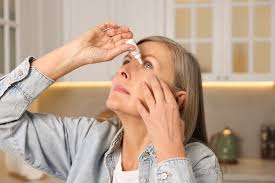
One of the biggest contributors to irreversible blindness across the globe is glaucoma. In the early stages, many patients do not exhibit any symptoms, which is why prompt diagnosis and care are of utmost importance. The most common way to manage this condition is through eye drops for glaucoma, which help control eye pressure and prevent vision loss. This is intended to control the disease and halt any further loss of vision.
If the patient is diagnosed with glaucoma, these eye drops will ultimately be the first line of defense. These drops aim to lower the pressure in the eye and stop the optic nerve from being damaged further. However, if they are not used regularly and correctly, the drops will not be effective.
To keep vision intact for as long as possible, patients must grapple with the idea of being diligent in their use of eye drops.
The Development of Glaucoma and the Eye’s Drainage System
When the pressure in the eye exceeds the tolerance of the optic nerve, it causes glaucoma. The increase in pressure is most often caused by the eye’s drainage system not working properly, which ultimately results in high intraocular pressure.
Doctors identify this issue during a glaucoma test that assesses eye pressure, the condition of the optic nerve, and the changes in the visual field.
When glaucoma is identified, doctors will typically begin treatment by issuing prescription eye drops. These medications are intended to control the pressure in the eye and stop the optic nerve from sustaining further injury.
In order to formulate a glaucoma treatment strategy and diagnosis, patients need to speak to the Best eye specialist in India to determine how severe the condition is, in order to manage the condition.
How Glaucoma Eye Drops Work
Eye drops for glaucoma lower the pressure in the eye by one of two ways: 1. Decrease fluid supply. 2. Improve drainage of the fluid.
- Decrease the Fluid Supply
Some eye medications aim to lower the supply of aqueous humor (the fluid in the eye). This will, in turn, lower the amount of fluid in the eye and ultimately lower the pressure.
For this reason, beta-blockers and carbonic anhydrase inhibitors are prescribed. The NEI states that if pressure in the eye is lowered, the risk of injury to the optic nerve in glaucoma patients is significantly lowered.
- Enhancing the Drainage of Fluids
Some other eye drops function by enhancing the drainage mechanism of the eye. These medications help the eye to drain fluids more effectively, which helps keep the pressure in the eye at normal levels.
These medications function by stimulating the outflow of the eye, of which prostaglandin analogs are some of the commonly prescribed and are often the first line in the glaucoma treatment.
It is not uncommon for some patients to require more than one type of medication to achieve the desired eye pressure levels. A trained Glaucoma specialist in India would help determine the treatment approach for each case.
Advice on how to use glaucoma eye drops the right way.
Using eye drops the right way ensures that the medication will work.
- Each time you apply drops, wash your hands.
It’s less likely that you will cause contamination and infection.
- Ensure you use the right procedure.
Head back, use your fingers to pull down the eyelid, and put the eye drop in the eye.
- Make sure the eye drop bottle tip does not get touched.
Bacteria can be transferred from the skin or eye to the drop bottle.
- Stick to a routine.
Use your phone’s alarm to help you take the drops.
The best eye specialist in India will help manage your eye pressure and determine if medication changes need to happen.
When to See a Specialist
If you have a family history of eye disease, or have diabetes, high eye pressure, and are over the age of 40 are at greater risk and need to have your eyes checked regularly.
The best eye specialist in India can find early stages of the disease in a glaucoma patient even if the patient has no symptoms.
With the help of a proper Glaucoma test, the disease can be treated early, and serious consequences can be avoided.
If you see halos around lights, have eye pain, or get blurred vision, ignoring the symptoms will make the problem worse.
Conclusion
Glaucoma is a chronic eye disease that can only be managed, and never cured, and requires the use of eye drops daily, which are proven to control the eye pressure and prevent damage to the optic nerves.
Success in treating glaucoma is achieved through adherence to the prescribed medication and frequent check-ups. Hence, patients are urged to strictly adhere to their medication and check-up schedules.
Consultation and diagnosis with the best eye specialist in India can significantly improve the chances of retaining one’s vision.
A glaucoma patient can retain his/her vision and avoid serious complications with good compliance with the medical therapy and early diagnosis of the disease.