
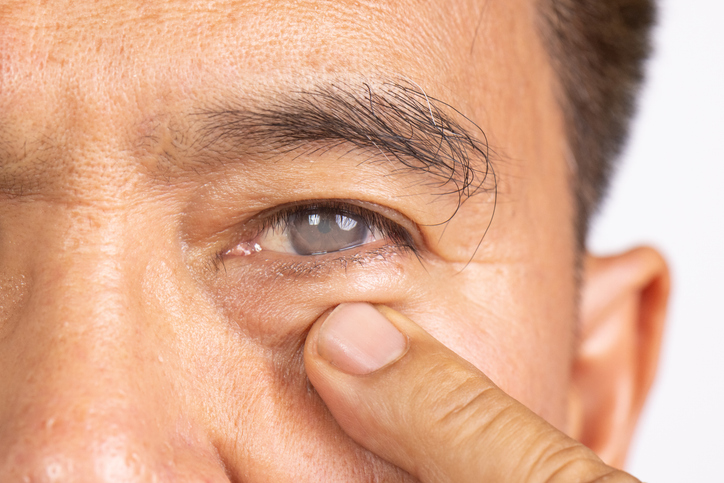
Cataract explained simply helps people understand why vision becomes cloudy and how modern treatment can restore sight. Cataract is one of the numerous health conditions that people are facing in the modern world. It leads to one of the most debilitating conditions, such as total blindness. However, with modern technologies, this is one of the most preventable health conditions. Most people develop cataracts as they age, but they can occur at any stage of life. For this reason, it is important to know what cataracts are, what causes them, what the consequences of cataracts are, what the symptoms to look out for, and what the modern ways to treat them are, knowing the details helps you with making the right decision as to where to get your treatment done, whether that is finding the cataract removal specialist in Mumbai, or experienced eye specialist for Cataract in Mumbai, or simply the best eye specialist in India.
Cataract Explained: What Are Cataracts?
A cataract is the opacification of the normally and naturally transparent lens of the eye. Light should flow uninterrupted to the retina. However, when the lens is cloudy, vision worsens. This condition progresses with time and gets worse, but in the early stages, it may be ignored. Cataracts can affect your vision in one eye or both at the same time. It is important to note that this condition is painless.
What Causes Cataracts?
Ageing is the most commonly accepted reason for the formation of cataracts. This is simply because the lenses in your eyes start to get older as you get older.
Other elements can increase the chance of cataracts. Cataracts usually develop in people aged sixty and above.
- Genetics – Individuals can be predisposed by family history.
- Medical Conditions – Especially diabetes, which speeds up lens clouding.
- Long-term exposure damages proteins in the lenses.
- Smoking and alcohol consumption also increase oxidative stress in the eye tissue.
- Injury or inflammation of the eye.
Identifying Symptoms of a Cataract:
Early symptoms of cataracts can be subtle, and most people do not notice them right away, as they usually develop slowly. Signs of cataracts include:
- Foggy or blurry vision as if looking through a cloudy window.
- Seeing and perceiving faded or yellowed colours.
- Increased discomfort while driving and glare from lights can increase difficulty with night vision.
- Seeing halos around lights, and double vision in one eye.
- Without any long-term improvement, frequent changes in eyeglass prescriptions.
When to seek assistance
If cataracts are mild and you are just starting to develop them, you might not even need to go in for an operation right away. In the early stages, changing glasses, using stronger light, and even using a magnifying glass might be all you need to do. However, if you do start having blurred vision enough to make it difficult to do normal everyday tasks like reading, driving or even just seeing someone to recognise their face, then you need to go in and talk to a doctor about it. A good cataract removal specialist in Mumbai will provide information on the best timing and what to do.
What are the most up-to-date methods for assisting with
Surgical removal of cataracts is the only reliable method for aiding them. Fortunately, cataract surgeries are one of the safest and effective medical practices in the world. There are a lot of practices that increase the quality of the approach, and the best of them are focused on precision, faster recovery, and as few invasive actions as possible.
1. Phacoemulsification surgery
Phacoemulsification has been the best method for close to 30 years. This is when a small ultrasound probe is used to break the cloudy lens, and it is then removed. A small, flexible artificial lens is put in place of the old one, and it can be done through a small incision. This is a method that has a very fast recovery time and is very low on the invasive side.
2. Micro-Incision Surgery
This type of surgery is referred to as microphaco or MICS. It involves making smaller incisions than in traditional lens removal surgeries. MICS surgeons are able to lower the amount of inflammation and speed up healing while continuing to have great outcomes in vision.
3. Laser-Assisted Cataract Surgery
Femtosecond laser-assisted surgery is one of the most advanced options available. It provides automation of various processes in the surgery for increased precision in the most critical steps of the operation. This method is beneficial in complicated surgeries and is especially useful for lens placement and correcting astigmatism.
4. Intraocular Lenses (IOLs)
IOLs are implantable options for cataracts. Intraocular options are Monofocal, which are used for vision at one distance, while advanced options are multifocal or toric, which can reduce how often glasses are needed after surgery. Choose an IOL after discussing your lifestyle needs to determine the most fitting option.
Conclusion
Cataracts are the most common cause of visual impairment in the world. Fortunately, modern surgery can restore vision with a positive and durable outcome. Correct awareness and timely consultation with the most experienced eye specialist for Cataract in Mumbai or the best eye specialist in India would provide the most valuable chance of obtaining clear vision.