
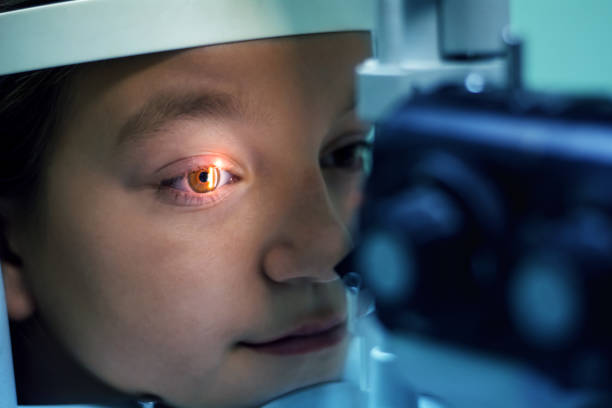
Latest advances in glaucoma treatment are transforming how doctors manage this silent cause of vision loss. The absence of symptoms until irreversible vision loss occurs makes glaucoma one of the top instigators of vision loss globally. The only good news is that the detection occurs through glaucoma tests and treatment by the best eye specialist in India. In the past few years, the glaucoma treatment field has progressed rapidly, from enhanced laser treatment to minimally invasive surgeries and even new, cutting-edge therapies. In the following 2025 update, we will highlight new developments that are changing the way specialist doctors and ophthalmologists prepare to treat the condition.
Latest Advances in Glaucoma Treatment Using Laser Therapy
The role of laser therapies in treating glaucoma has always been significant, and there is currently a major shift.
- For many patients, Open-Angle Glaucoma has the Selective Laser Trabeculoplasty (SLT). During the annual meeting presentation, the sophistication, efficacy, and availability of laser treatment devices were highlighted.
- The new approach, Direct Select Laser Trabeculoplasty (DSLT), has no requirement for a lens to be placed in the patient’s eye. The device instead self-aligns and 360° treats the entire angle of the drain, allowing for a much less invasive procedure that is easier.
- Unlike daily use of eye drops, laser therapies require much less maintenance. Studies show laser therapies can potentially lessen the long-term impact of medications much more than normal therapies, especially in the case of patients who have issues with adherence.
The New Era of Glaucoma Treatment with MIGS
The introduction of Minimally Invasive Glaucoma Surgery (MIGS) in the last ten years is considered to be the most significant advancement in treatment for glaucoma. These procedures aim to lower the IOP with the least amount of tissue damage, providing for even quicker recovery, fewer complications, and less need for post-operative care.
- Different types of MIGS surgeries include those that use implants that bypass the trabecular meshwork, such as the iStent or Hydrus Microstent devices, those that aid uveoscleral outflow, those that use subconjunctival drainage implants, and those that perform surgeries on the ciliary body.
- Compared to regular glaucoma surgeries, MIGS has improved to show a more positive safety profile, with less risk of complications and a quicker recovery time.
- MIGS can often be performed on the same day as cataract surgery. This is an added benefit when they need both surgeries, something often seen in the elderly.
What Comes Next Beyond Surgery and Lasers
Although the studies in MIGS and laser glaucoma treatments are the most advanced, the field is also continuing to progress in other areas. The field is expected to have more transformative treatments for glaucoma by 2025.
- MIGS and laser surgery provide better glaucoma outcomes, but the most awaited innovation is the sustained-release systems. This would do away with the need for daily eye drops. With an implant, patients can have medication continuously released, improving compliance and steady control of IOP.
- Neuroprotection is another area that shows promise. It is about therapies that include both lowering the eye pressure and also protecting and possibly restoring healthy function to the optic nerve.
- A review published in 2025 included great advances in neuroprotection, especially with some neurotrophic factors (CNTF) known to slow the optic nerve damage while preserving vision.
Beyond just the control of ocular pressure, the potential of current innovations opens the door to future therapies that offer prolonged pressure control, neuroprotection, and custom-tailored glaucoma therapy.
Implications of the above innovations on Glaucoma Patients and Choosing the Best Eye Specialist in India
For countless individuals and their relatives about to receive glaucoma treatment, the above innovations offer more treatment options. Some of the factors to consider are the following.
- For some patients in the early and moderate glaucoma stages, there is the potential for fewer postoperative complications and lower recovery periods than traditional surgery with the use of laser therapies such as SLT and DSLT or Minimally Invasive Glaucoma Surgery (MIGS) to control ocular pressure.
- Sustained-release implants or neuroprotective glaucoma therapies will likely improve patients’ quality of life and their compliance with daily treatment regimens requiring frequent ocular hypotensive therapy.
- As glaucoma care continues to advance, it’s increasingly important to pick an eye doctor who is particularly familiar with the newest laser and MIGS advancements. Knowing how to find the best eye specialist in India, whose glaucoma test is up to date, is incredibly beneficial.
If you live in India and are considering this prospect, the best first step is booking an appointment with a glaucoma specialist to have a comprehensive glaucoma test.
Conclusion
With the latest advances in glaucoma treatment, patients now have safer and more effective options than ever before. 2025 is expected to be a landmark year in the realm of glaucoma. Current patients are met with a plethora of choices due to advancements in laser procedures, a rising use of minimally invasive glaucoma surgeries, and the development of new therapies with sustained drug delivery and neuroprotective properties. Although there’s no unequivocal cure and the advancements are not fully final, they bring us closer to a desired end. Hopefully, it’ll be a future where we can not only manage but also prevent vision loss from glaucoma. With glaucoma, the best chance to maintain vision and quality of life is from early detection and a partnership with your physician to lead the way.