
Glaucoma medicines vs surgery is a common question for patients trying to prevent permanent vision loss. In terms of irreversible causes of blindness across the globe, glaucoma is among the top for influence. Prevention of vision loss and degradation of quality of life is possible through management, be it glaucoma medicine or surgical intervention. This article is intended to provide evidence-based insight and analysis of medical and surgical treatment comparisons, and hopefully assist you in determining the appropriate path for you or someone you care for (such as someone seeking a “glaucoma doctor in Mumbai” or a “top eye specialist in Mumbai”).
Why treatment matters: detecting glaucoma early
Without visible symptoms until vision is significantly impacted, glaucoma progresses. This is why getting a glaucoma test done is extremely vital. This allows for early intervention to be taken before irreversible optic nerve damage occurs. Many times, loss of vision due to further damage can be prevented or greatly reduced. This can be done by lowering the intraocular pressure (IOP).
Following confirmation of the diagnosis of glaucoma, a series of treatment options is discussed with the doctor. These options include prescription of medication (in the form of eye drops or oral medications) alone, or a combination of medication and laser therapy, or surgery as a primary intervention.
Medical treatment: medicines used for glaucoma (eye drops and tablets)
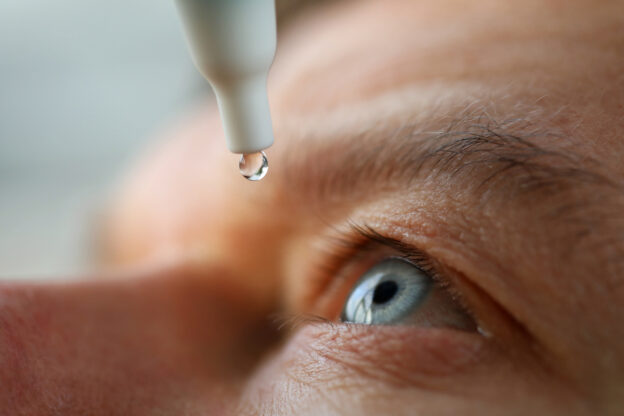
Medical therapy continues to be a common first-line treatment option. Glaucoma medicines, which usually come in the form of drops for the eyes, work by reducing the amount of fluid in the eye and/or improving fluid drainage, thus reducing IOP.
These medicines control eye pressure long-term for most. Use of the medications, for instance, prostaglandin analogues (e.g., Latanoprost), has sustained IOP lowering for long periods of time, 1-2 years, thus providing a long-term, non-surgical option for the alleviation of glaucoma.
Benefits of glaucoma medications:
- Non-invasive and painless
- Can be started right after diagnosis
- Highly successful in early or moderate glaucoma
- Allows for small initial treatment, thus no major commitment to surgery
However, long-term, daily, and sometimes, frequent eye drops, which have the potential to be very burdensome for some patients. Irregular use decreases effectiveness. Over time, some patients may develop side effects or the medications may simply lose efficacy.
Surgery and laser options: when medicines are insufficient
When glaucoma medications do not sufficiently control eye pressure, or when patients cannot keep up with the daily drops, then surgery or laser treatment becomes a more reliable option for lowering intraocular pressure.
Laser intervention – Selective Laser Trabeculoplasty (SLT) involves the application of low-powered lasers to the eye’s drainage tissues to facilitate outflow and reduce pressure without the need for incisions. With SLT, patients usually do not need eye drops over the long term. Research indicates pressure levels can be controlled just as, or more effectively, with SLT than with eye drops. Moreover, patients can often avoid long-term medications.
SLT’s advantages include being minimally invasive, having quick recovery periods, and decreasing the need for and long-term costs associated with glaucoma medications.
Still, SLT has its downsides. It is not a long-term solution. The duration of the therapeutic effect is likely to reduce over the long term, with some patients requiring SLT repeatedly.
Surgical choices – Trabeculectomy and other glaucoma surgeries can be considered to be in the advanced stages of glaucoma where medications and lasers fail to achieve target pressures. These surgeries create alternate pathways for the drainage of eye fluid, which results in a more potent and sustained reduction of intraocular pressure.
Advantages of surgery include more effective and longer-lasting pressure reduction, and a lesser or no requirement for daily eye drops. It is also better suited for patients with advanced, progressive glaucoma.
Some of the risks include infections, bleeding, scarring, cataracts, and low eye pressure (hypotony), which can require prolonged recovery periods and be followed up carefully.
So, which works best “today”?
Unfortunately, there isn’t one answer that holds true for everyone. Depends on how advanced the glaucoma is, how well the patient tolerates drops, what the patient’s lifestyle, financial, and prognosis needs are, how compliant the patient will be with medication, etc.
- For the majority of newly diagnosed or mild and moderate glaucoma and ocular hypertension, laser therapy (SLT) has become an attractive first-line choice. Light trial and long-term follow-ups demonstrate that SLT can achieve long-term control without the need for daily glaucoma medications.
- For patients who respond well to drops and add glaucoma medications, are compliant and comfortable with daily medication use, and do not have issues with the costs involved, glaucoma medications are always a reasonable, non-invasive option, especially in early disease.
- In advanced disease, cases with uncontrolled IOP, or where drops or laser are not practical, trabeculectomy offers the most robust and sustained pressure reduction.
Conclusion
In the end, the patient’s stage of disease, lifestyle, preferences, and the surrounding medical advice dictate the treatment option. If you are typing “top eye specialist in Mumbai,” look for all treatment options available, be it medications, laser, or surgery, before concluding.
Glaucoma doctors in Mumbai suggest that timely treatment, as well as regular glaucoma tests, can preserve sight. The target to achieve remains the same regardless of the treatment approach, whether it be eye drops, laser, or surgery, to safeguard the remaining eyesight and the essential optic nerve to maintain a good living standard.